The SMK Blog

Welcome to the highly official blog of SMK.

At SMK we’re hell-bent on making AI work exclusively for the museum and for our guests. We’ll gladly use it in our upcoming platform, but only in the service of accessibility and inclusion.
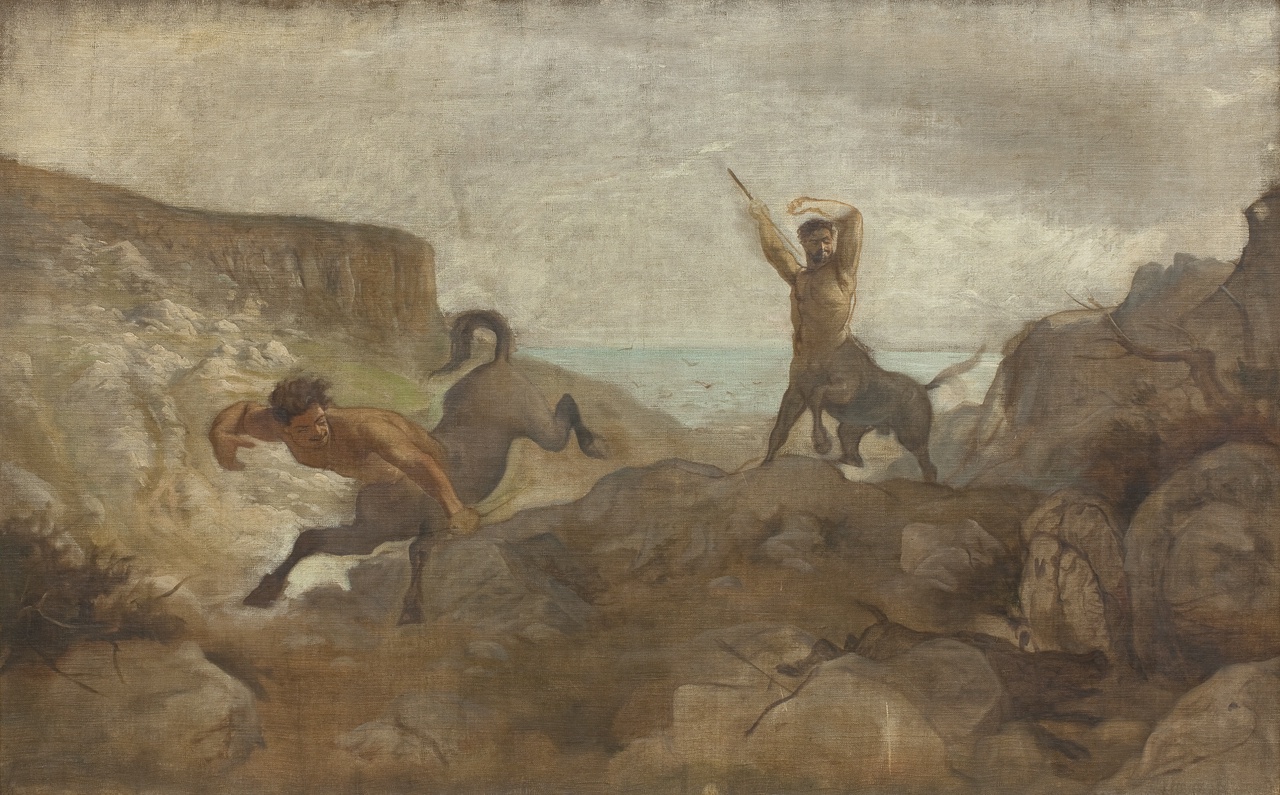
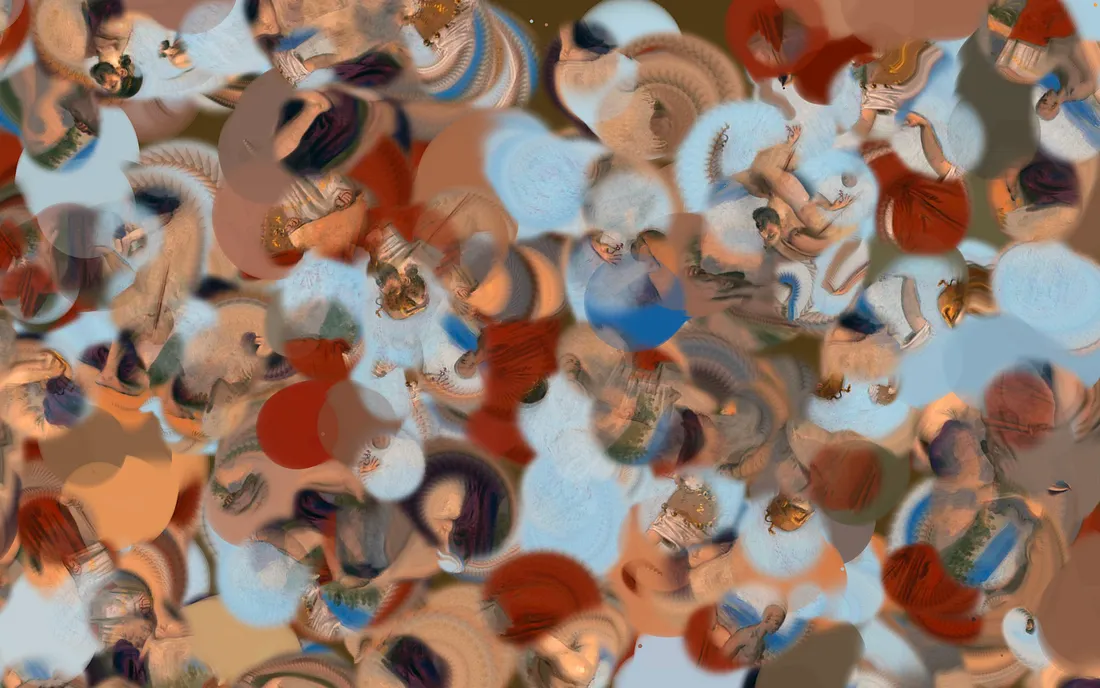
Illustration: L.A. Schou, Centaurs Hunting Boars, 1866-1867.

At SMK we first asked intelligent (if you will) machines for help in 2019. We wanted to make our collection database more welcoming by creating new connections between artworks, mainly via keywords. You know, dog, horse, ocean.

Sounds quaint now, doesn’t it? This was before generative AI appeared on the scene and way before you first heard the term slop.

Since then we’ve tried to think very carefully about how, when and if to deploy AI.

Meanwhile, we’re building a browser-based visitor guide from scratch. It’ll tie together collection data and location data to offer tours/trails, serendipitous discovery, wayfinding and other great museum things.
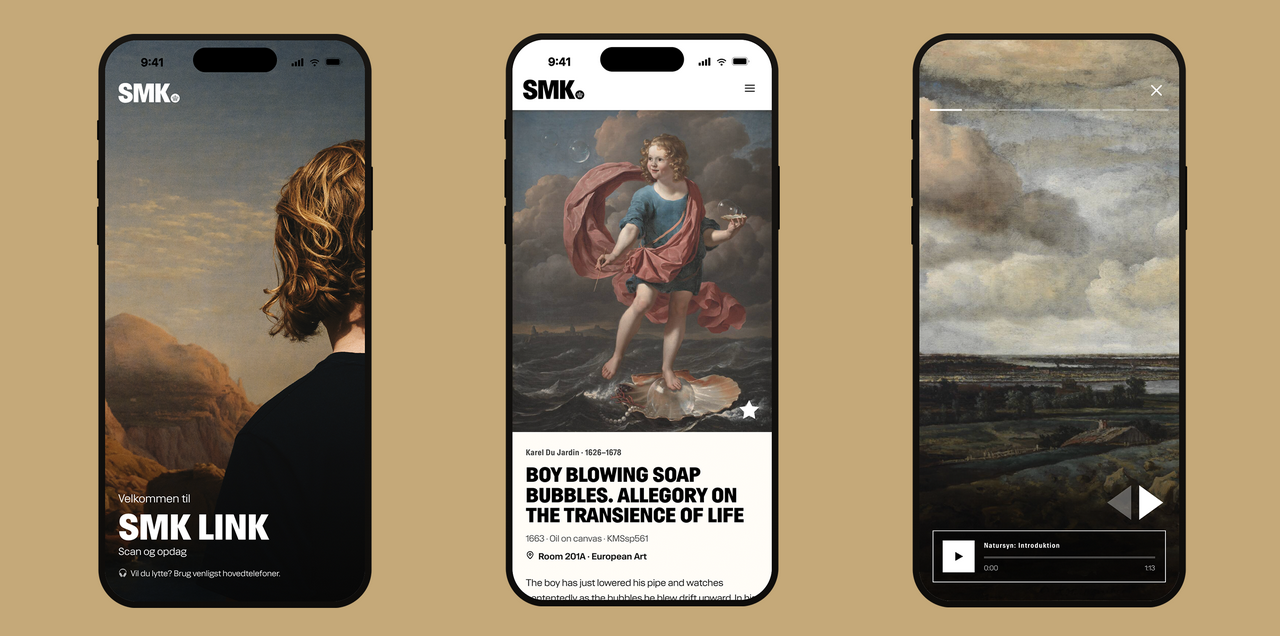
Illustration: Mockups from the SMK Link prototype

Now, in a world without AI we would write the planned 1500 new extended artwork labels by hand and have a human translate them into English. We know this, because we have lived in that world up until recently.

In this AI-enabled world what we’ll do is exactly the same.

People will write the texts in Danish, people will translate them into English. But what we’ll also do is offer machine translation into French, Italian, German and Swedish (as it currently stands) and machine-generated text-to-speech in all languages.

Of course, we won’t just trust machines to get things right without help but instead be as careful as we can about adding – and refining – dictionaries of terms across languages and pronunciation guidelines. Internally we refer to these as The Bondemalerstriden Document and The Chemise Document respectively but actually, never mind that.

In this way we hope to dramatically increase accessibility and inclusivity. If you only speak Italian, if you’re vision impaired, if you have dyslexia or if you simply prefer audio to reading (reasonable, since your eyes are presumably busy looking at the actual artwork) we hope to improve your experience with AI.

In this way we also hope to demonstrate that – while AI can certainly be used to increase confusion and imprecision – it can also be used to increase accessibility. At least we’ll try very hard. Do come by and hold us to our promises when we launch our SMK Link guide in 2027.

Written by Jonas Heide Smith, Head of Digital See also our web page AI at SMK
OK, maybe not phonetically. But for a museum dedicated to open access, a decentralised, non-algorithmic social media platform seems an obvious place to make ourselves available and claim a space for the national Danish art collection.

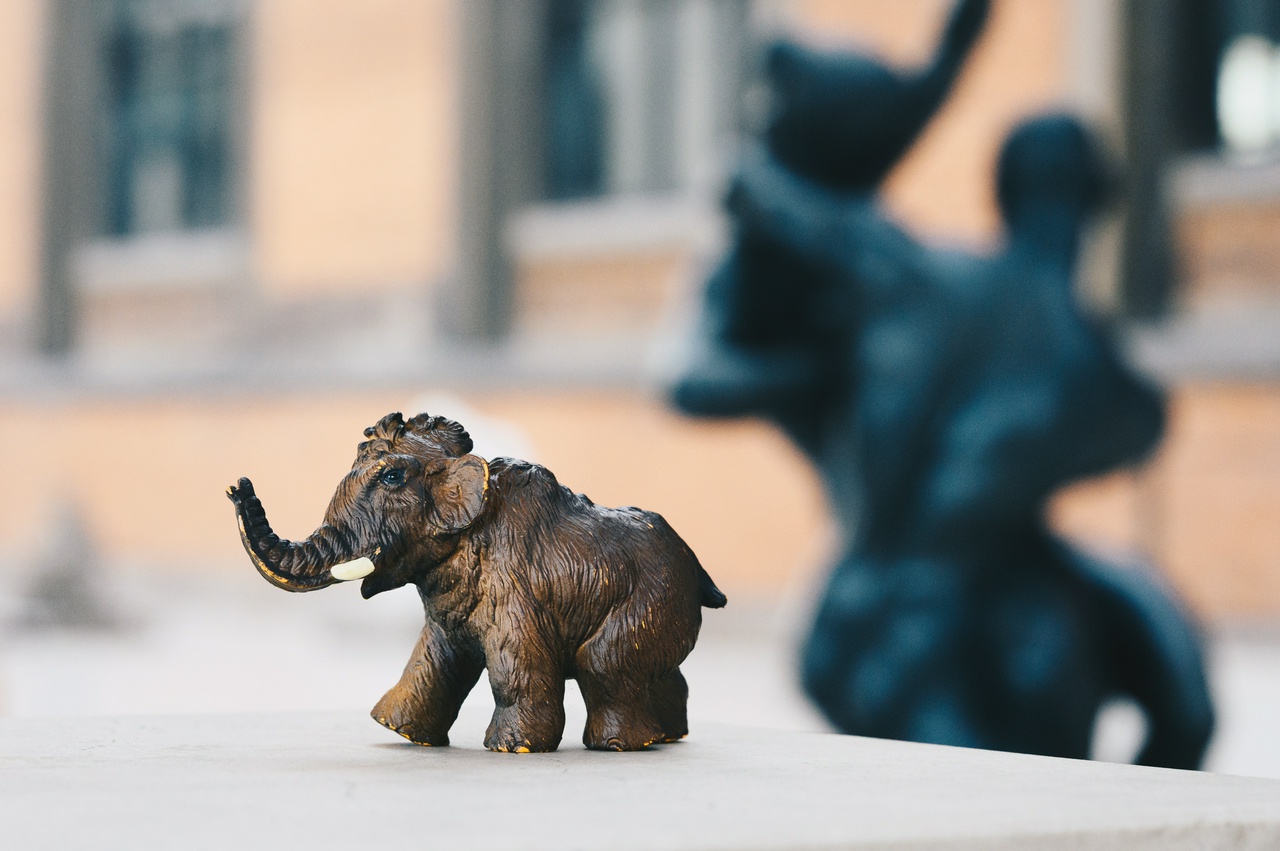
A mastodon (well, some sort of mammoth) figurine visiting SMK
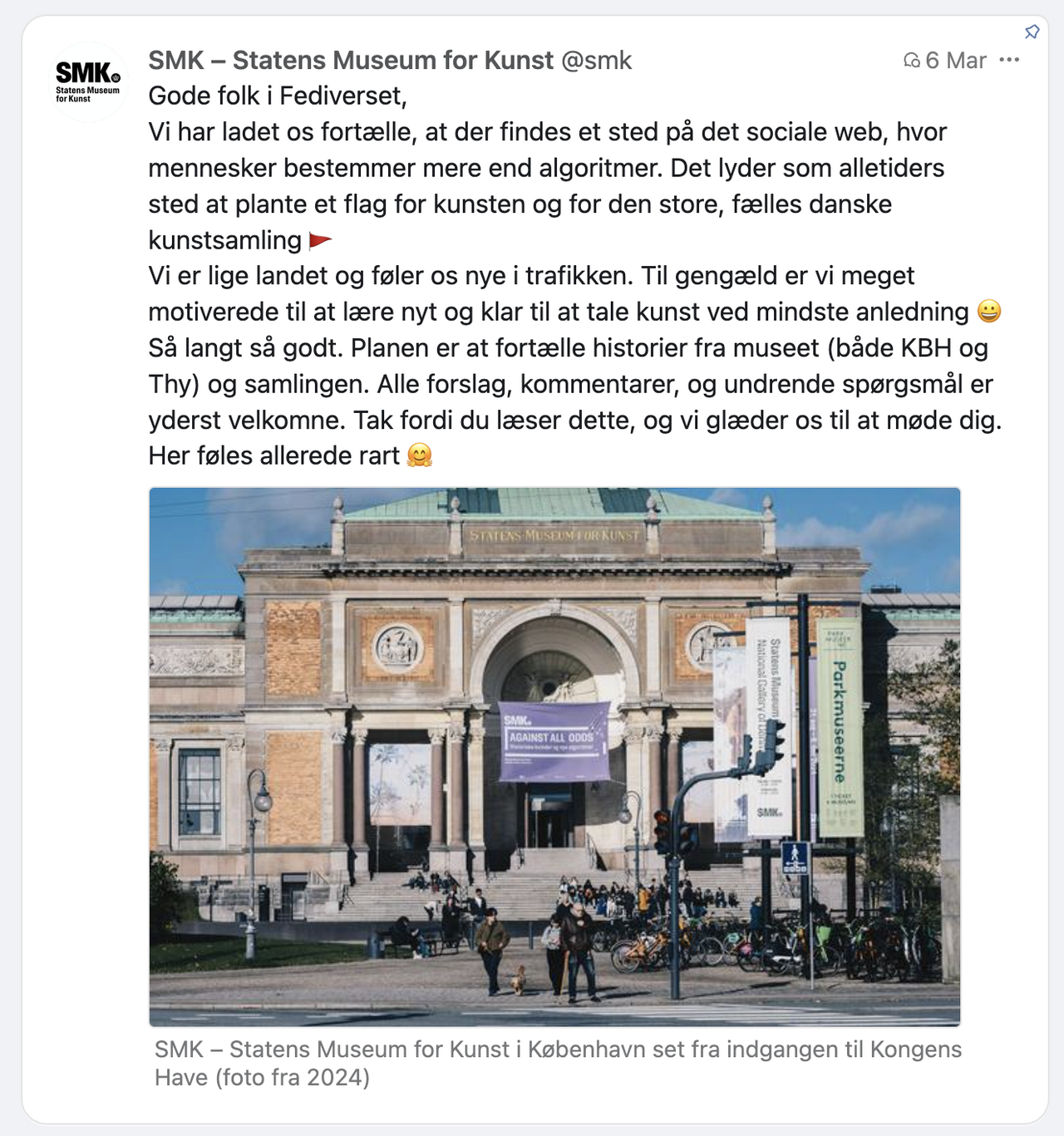
Last week, on an early spring Friday, we took our first baby steps into the Fediverse, the collection of platforms connected by the ActivityPub protocol. We did this by setting up an account on the cosy Danish expressional.social server populated by friendly-seeming natives (with an endearing love of image alt texts).

Now, that previous paragraph contains the words ‘protocol’ and ‘server’ and admittedly the Fediverse does require some acclimatisation: it’s just a slightly more abstract concept than your average centralised service. But such is the price of openness and flexibility. When you can “do” the Fediverse almost any way you please, choose your own server and choose your own app, things immediately become a bit complicated.

Slightly technical as it may be, it’s also very promising. The early adopters stand ready to help, all the features (and more) that you may want from a Twitter/X-like platform are available and the non-algorithmic focus imparts a feeling of control. On Mastodon you may be slightly confused, but you’re also very much in charge.

Of course, what you’re not getting is content going viral to a massive audience. Mastodon is thinly populated at this time. So we’re decidedly not there for the reach but because we see clear affinities with our openness ambitions, because the platform’s open architecture may allow for really interesting re-use/automatisation and because there might be a time where the current social media behemoths lose steam. In which case our mastodon riding skills may well come in handy.

We’re starting small. But we see great potential – not least for joining forces across museums and other fine cultural institutions. French cultural institutions are getting together at ReseauCulture.fr – and perhaps Danish/Nordic ones should look very closely at that model. Hit us up if you’d like to talk! 🤗

🏠 SMK on Mastodon (we speak Danish)

Our first Mastodon post

Guest post by Barbara Nagy, student at the Hungarian University of Fine Arts as a wood-sculptor conservator.

Læs videre...

We believe that our upcoming digital service will create an inclusive, personal and altogether useful companion for the SMK guest. But only if we get things exactly right.

For years, at SMK, we’ve almost solely kept our eyes on the open web.

Read more...

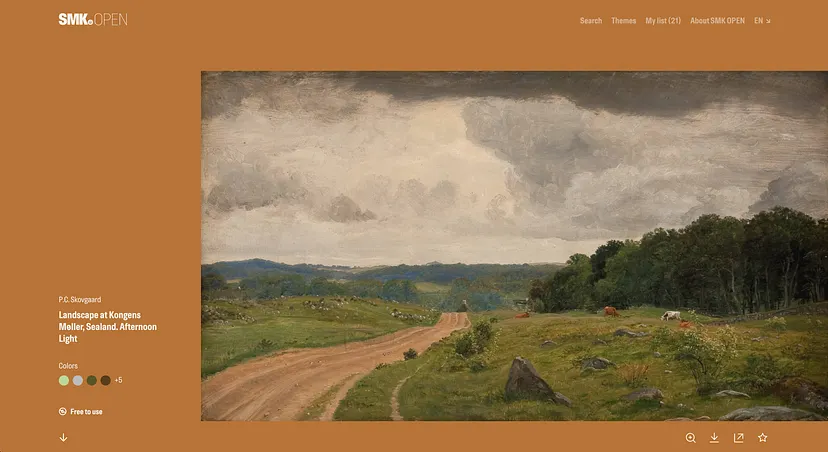
Imagine owning a unique artwork rooted in Danish cultural heritage the moment you are born and assigned a social security number. Does that sound far-fetched? Well, it’s absolutely possible! In this guest post by Stig Møller Hansen, a Senior Associate Professor at The Danish School of Media and Journalism, he lets us in on a highly surprising and thoughtprovoking way of using SMK Open.

Image generated from Constantin Hansen, Prometheus Moulding Man from Clay, 1845, SMK
Læs videre...

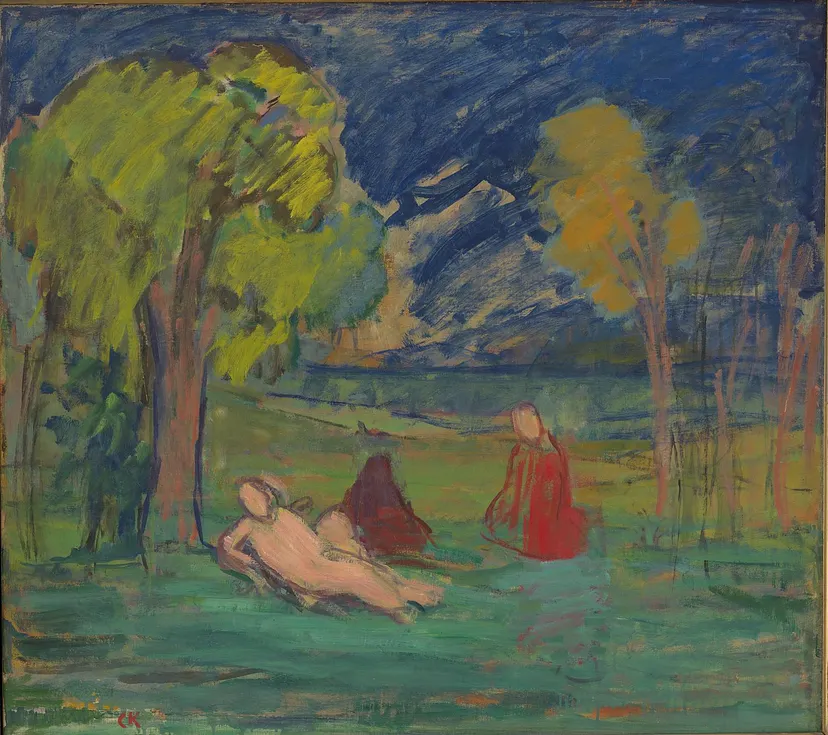
Celebrating Public Domain month 2023 with a closer look at some of the new artists in SMK’s collection who have entered the public domain

Carl Kylberg, Meditation, 1925, KMS3913, public domain
Læs videre...

Aiming for “radical openness” we’ve published SMK collection data in the most liberal fashion we could think of. One aspirational goal is creative re-use, so what happened in practice?

On open.smk.dk users can explore the SMK collection and download material for re-use
Læs videre...

Sammensmeltning af den virtuelle og fysiske verden

© Ditte Ejlerskov, The Cult of Oxytocin, Nikolaj Kunsthal (2022). Photo: Jan Søndergaard
Gæsteindlæg af Diana Velasco, kunstner, medstifter af Radar Contemporary og direktør for Museum of Nordic Digital Art — MoNDA, i anledning af Kvinder, Kunst & Algoritmer [link no longer active] 8. marts på SMK, arrangeret i samarbejde med Ingeniørforeningen IDA og Algoritmer, Data & Demokrati-projektet.

Læs videre...

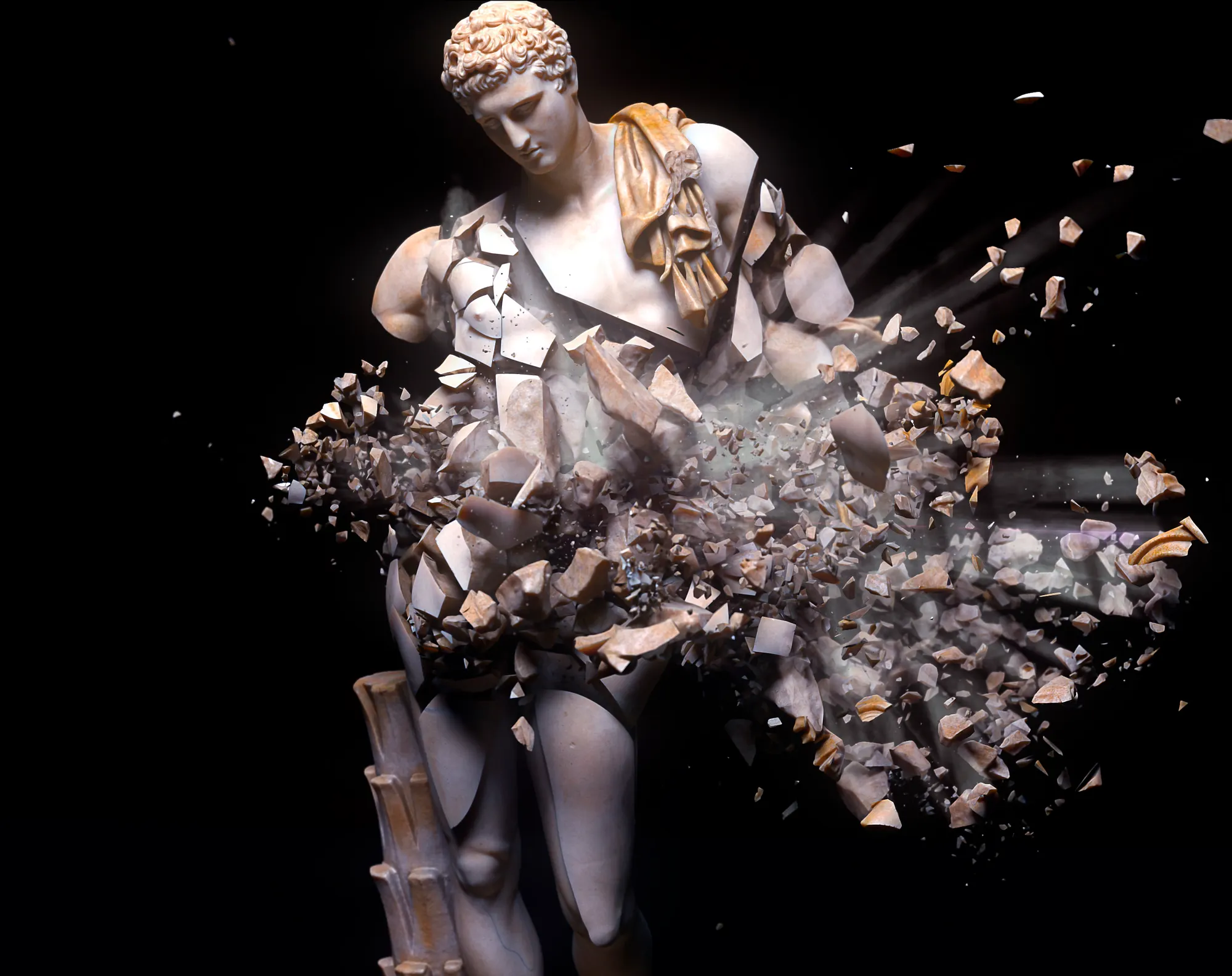
An interview with film maker Lucio Arese on his prize winning short film Les Dieux Changeants based on 3D scans from SMK Open

Still image from Lucio Arese’s prizewinning short film Les Dieux Changeants featuring a 3D scan of Hermes Belvedere from SMK Open
Læs videre...

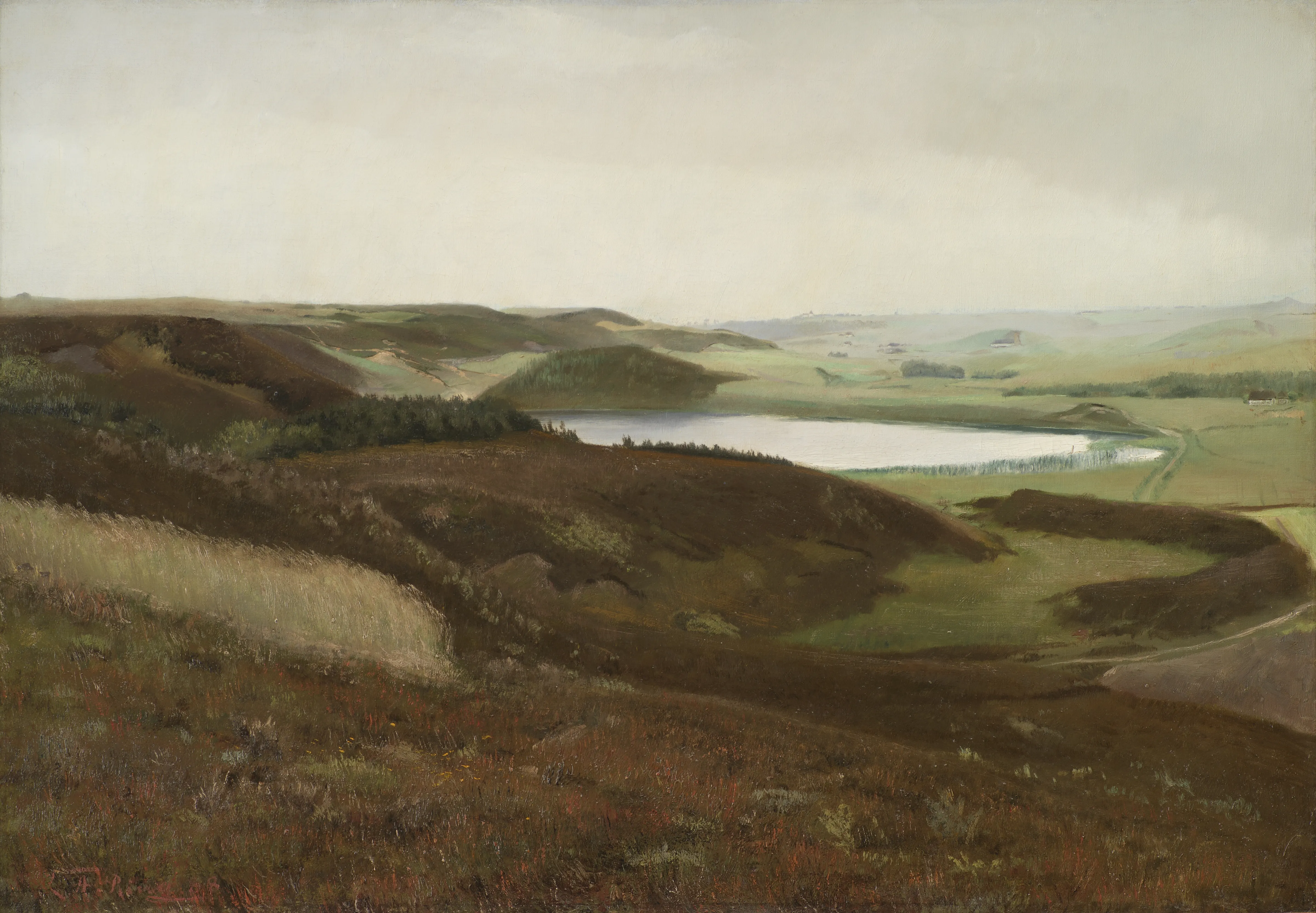
Burning churches, rolling hills, and ragged seascapes — we’ve placed them all on a map of Denmark. With a companion social media campaign, this may be the most fun we’ve had with data to date.

L.A. Ring, A Landscape near Bryrup, Jutland, 1888 (on the map).

In March 2021 we placed 4.000 SMK artworks on a map of Denmark. We did it by combining existing data with machine learning and the help of kind human beings. And we did it by leveraging the SMK API which will ultimately ingest the refined location data to allow future re-use.

Læs videre...

Enter your email to subscribe to updates.